Who Really Buys the PPE? It's Not a Simple Answer (And Here's Why)
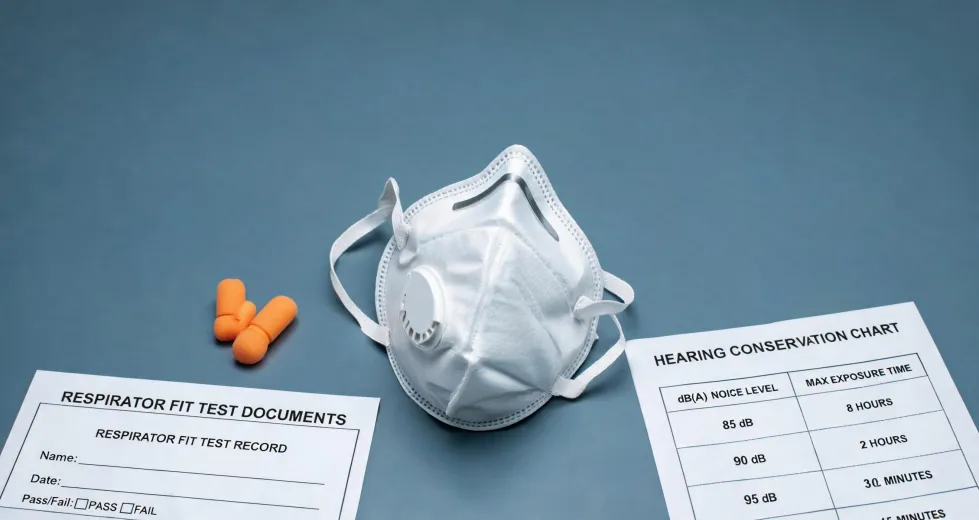
Look, I get asked this question a lot: "Who is responsible for buying PPE?" It seems like it should have a straightforward answer, right? The safety manager, maybe? Or the procurement department?
Well, here's the thing: there isn't one standard answer. It depends entirely on the company's size, industry, risk level, and even how they're organized. I've seen it go wrong in so many ways that I've started to think of it like a decision tree. Let me walk you through the most common scenarios, so you can figure out which one applies to you.
Scenario A: The Large Manufacturing Plant (Centralized Safety)
In a mid-to-large manufacturing facility with a dedicated safety team, the responsibility typically lands on the Safety Manager or the Environmental Health & Safety (EHS) Director. They're the ones who audit the risks, select the correct PPE for each task, and manage the budget for bulk orders.
But even here, it's not always that clean. In March 2024, we had a client at a 500-person auto parts plant. Their EHS director had approved a new line of Moldex N95 2400 masks for a specific painting station. The process was smooth—until the line supervisor ran out mid-shift and grabbed a different brand from the general supply closet. The EHS director had to halt production, verify the new mask's fit for that specific chemical, and reorder. The whole thing cost them about $2,000 in downtime. The lesson? Even when safety "owns" it, the people on the floor need clear, enforced protocols.
Who to look for: EHS Director or Safety Manager. They are the ones who understand the hazard assessments and compliance requirements (like NIOSH or OSHA standards).
What they usually order: Bulk quantities of specialized respirators (like the Moldex 7000 series half-mask respirators with P100 filters for painting or chemical handling), plus high-heat or chemical-resistant gloves and hearing protection.
Scenario B: The Small to Mid-Size Business (Owner or Manager)
Here's a common one: a small construction company with 15 employees.
The responsibility for PPE often falls on the owner or the project manager. They're not just buying safety gear; they're buying everything from lumber to lunch. It's a line item in the broader "job cost" ledger. The most frustrating part of this scenario? The owner might not be a safety expert. You'd think a simple N95 mask is just a mask, but the nuances between a disposable N95, a reusable half-face respirator, and a full-face model are lost on most non-specialists.
I remember a situation where a small contract painting team needed PPE for a lead paint abatement project. The owner bought a bunch of cheap, unrated dust masks from a hardware store. He thought he was being smart until the project inspector flagged it. The job was held up for a day, and the owner had to pay for an emergency shipment of Moldex N95 2400 respirators and proper coveralls. The cost of being wrong was more than the price of the right gear in the first place. Simple.
Who to look for: The owner, a senior project manager, or a company president. They care about cost, but they really care about avoiding project delays.
What they usually order: Multipurpose items that cover a wide range of tasks—disposable N95 masks (like the Moldex 2200 or 2400), basic safety glasses, and foam earplugs like the Moldex SparkPlugs. They need simplicity.
Scenario C: The Procurement or Buyer (Centralized Purchasing)
In larger organizations with a dedicated procurement department, the buying process is formalized. A Procurement Specialist or Buyer will handle the order, but they are usually acting on a specification from the Safety Manager. Their focus is on cost, delivery time, and vendor relationships.
This is where things can get messy if communication fails. The buyer's job is to get the cheapest product that meets the spec. The safety manager's job is to ensure the spec is correct. When these two roles are misaligned, you get problems.
Our company lost a $15,000 contract in 2022 with a large facility because the buyer, trying to save $400 on a bulk order, substituted a different brand of respirator cartridge without telling the safety team. The safety team had already done fit tests for the Moldex 7000 series. The new cartridges didn't fit the existing half-mask frames. The safety team shut down the process, the buyer was blamed, and we ended up paying a rush fee to get the correct cartridges overnight. The prevention? A simple, shared checklist that the buyer and safety manager both sign off on before the order is placed.
Who to look for: The Buyer or Procurement Specialist. They speak in terms of SKUs, lead times, and RFQs.
What they usually order: Whatever is on the approved list. They are the gatekeepers of the budget, so being on that list is critical.
Pro tip: If you're a vendor, don't just sell to the buyer. You need to educate the safety manager first. If the safety manager specifies your product, the buyer has to buy it.
Scenario D: The Individual Employee (Safety Czar)
In some smaller shops, the person responsible is the most experienced worker or the lead hand. They know the job, they know the hazards, and they've earned the trust to decide what gear to get. This is the most informal and often the most risky scenario.
Honestly, I'm not sure why this is still so common. My best guess is that in very small teams, formal roles haven't been established. The responsibility is shared, or it falls to whoever cares the most. The risk is that the "safety czar" might not know about the latest standards or might be making decisions based on habit, not risk assessment. A 5-minute chat with this person can be worth more than a 5-page safety manual.
Who to look for: The lead hand, a senior technician, or a general manager. They are the ones on the front line.
What they usually order: What they've always ordered. It takes a lot to change their habits.
How to Figure Out Which Scenario You're In
Okay, so how do you actually know who to talk to? Here's a simple checklist:
- Are there 50+ employees? You're likely in Scenario A or C. Look for a Safety Manager title.
- Is the owner also the project manager? You're in Scenario B. Talk to the owner directly.
- Is there a formal purchase order system? You're dealing with Scenario C (Procurement).
- Does the person buying the gear also do the dangerous job? You're in Scenario D. Earn their trust.
The worst thing you can do is assume one person fits all. I've made that mistake. It wastes time, money, and in safety, it can put people at risk. The best approach is to ask, "Who identifies the hazard and who signs the purchase order?" Those are usually two different people, and you need to talk to both.
Pricing as of January 2025. Verify current rates with your supplier.

Maeve Callahan
Maeve Callahan is a head-protection analyst covering Type I and Type II hard hats, climbing-style safety helmets, bump caps, chin straps, suspensions, liners, and face-shield carriers. She applies ANSI Z89.1, EN 397, and EN 12492 criteria while comparing impact attenuation, penetration resistance, lateral deformation, electrical class, retention strength, field of vision, mass, fit range, and temperature conditioning. Her guides help EHS teams, contractors, utilities, and buyers select helmet systems for overhead hazards, work at height, electrical exposure, accessory compatibility, and worker acceptance.