Safariland STX Tactical vs Cordura: What I Learned After Ordering Both for 90 Days
When I took over equipment purchasing for our 140-person security firm back in 2020, I inherited a mess: 14 vendor relationships, zero standardization, and a field team that treated gear preferences like fantasy football picks. Everyone had a favorite. Nobody had data.
One question kept resurfacing, though: Safariland STX tactical finish or Cordura? Same brand, different materials, noticeably different price points. Our field supervisors kept asking which one to buy. Finance kept asking why we couldn't just settle on one.
So I did what I do when I'm tired of answering the same question: I ordered both, issued them to two crews for 90 days, and tracked what actually happened. Here's the honest comparison—including the $1,400 mistake I made early on because I skipped the spec sheet.
A quick scope note before I dive in: I'm not a materials engineer. I'm the guy who processes 60-80 orders a year and reports to both operations and finance. This isn't lab data. It's what I observed with people who work 12-hour shifts in rain, heat, and office buildings. That's the lens here.
The Three Dimensions I Compared
I looked at three things: durability and wear, weight and comfort, and total cost of ownership. That third one is where I expected the least drama—and got the biggest surprise.
Dimension 1: Durability and Wear
STX tactical finish is a proprietary material Safariland uses on a lot of its duty holsters and belts. The short version: it's a polymer-treated surface designed to take a beating.
Cordura is a nylon fabric—more breathable, more flexible, and generally cheaper. Not "worse," just different.
After 90 days, here's what I saw. The STX crew had almost no visible wear on contact points—the holster body, the belt edge, the spots where gear rubs against chairs and vehicle doors. Scratches wiped off. I had two units with scuffs visible only under direct light, and that was it.
The Cordura crew wasn't so lucky. Nothing failed outright, but the fabric started fraying at the edges around week six. One guy had a seam separate on his belt after catching it on a door handle. It's repairable—and honestly, for the price, it's not unreasonable—but it's not "set it and forget it" durability either.
Winner: STX, pretty clearly. If your team beats up their gear, STX holds up better.
To be fair, the Cordura users said they didn't mind the wear marks. "It looks used," one told me. "I prefer that." So it's not a clean win on every front—appearance is subjective.
Dimension 2: Weight and Comfort
This is where Cordura gets its revenge.
STX is a bit heavier. Not dramatic—we're talking a few ounces per holster or belt—but after 12 hours, people notice. The STX crew complained more about stiffness during the first two weeks. It breaks in, but it takes time.
Cordura is softer out of the box. No break-in period. One supervisor told me he forgot he was wearing it by day three. That's a real advantage, especially if you're issuing gear to new hires who aren't used to carrying weight.
Here's the trade-off I didn't expect: the STX crew actually preferred the stiffness for vehicle work. The stiff holster stayed put when they sat in a patrol car for hours. Cordura units shifted around more and required readjustment. So it depends on the assignment. Foot patrol? Cordura wins. Vehicle-heavy shifts? STX has the edge.
Winner: Cordura for comfort, STX for stability. This one genuinely depends on the job.
Dimension 3: Total Cost of Ownership
Here's where I got surprised.
On paper, Cordura is cheaper. When I pulled quotes for our full equipment refresh in Q3 2024, the Cordura options came in roughly 15-20% lower per unit than comparable STX setups. Finance loved it. I loved it. We ordered Cordura for the whole team.
Saved about $60 per unit by standardizing on Cordura. Then spent roughly $80 per unit on replacements and repairs within eight months. Net loss: I don't want to calculate it again.
The problem wasn't quality—it was compatibility. We didn't verify that the Cordura tactical belt worked with our existing Safariland holster plates. Two out of three field supervisors needed different belt attachments, which we hadn't budgeted for. And the fraying I mentioned? We ended up replacing 22 units in under a year.
STX, by contrast, is a closed system. It's compatible with the rest of the Safariland ecosystem by design. You pay more upfront, but you don't get nickel-and-dimed on adapters and replacements later.
I'm not 100% sure the math works the same for every team—your usage patterns matter. But for us, the "cheaper" option cost more by the end of the year. That's a lesson I've now applied to every procurement decision, not just gear.
Winner: STX, once you factor in replacements and compatibility. The upfront price is misleading.
What About Everything Else on the Gear List?
Since I handle the full equipment budget, a few adjacent purchases come up constantly. I'll save you the search time:
Safariland tactical belt: If you're going STX, get the matching belt. Mixing materials is where I've seen the most compatibility headaches. The belt is the foundation—don't cheap out on it.
Nike tactical boots: This comes up every quarter. Our team is split between Nike and a couple of other brands. I don't have strong data on Nike tactical specifically—we only run 12 pairs—but the fit feedback has been positive. Just verify sizing against your team's actual boot size distribution before ordering in bulk.
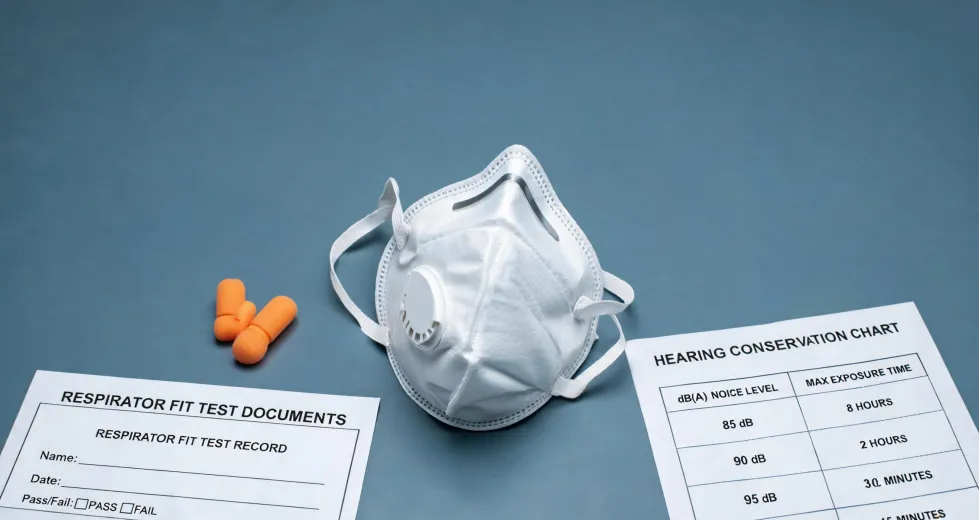
Earplugs and pepper spray questions: I get weird search requests from staff constantly. "Where can I find earplugs near me?" (answer: our supply closet, aisle 3). "Can you pepper spray a dog?" (answer: not a procurement question, talk to legal). My rule: if it's not on the approved equipment list, it goes through me before anyone buys it.
So Which One Should You Buy?
Here's my honest read after four years of managing this budget:
Go with STX if: your team works vehicle-heavy shifts, you want a closed system that plays well with other Safariland gear, or you hate replacing frayed equipment every few months. The upfront cost is higher, but the total cost of ownership has been lower for us in every scenario we've tracked.
Go with Cordura if: you're outfitting a new team on a tight budget, your staff prefers lightweight gear, or you're doing mostly foot patrol and don't need the stiffness. Just verify compatibility before you order, and plan for edge wear.
One more thing: whatever you pick, build a five-minute spec check into your ordering process. I skipped that step once—assumed "standard" meant the same thing to every vendor—and ate a $1,400 rework bill. Five minutes of verification beats five days of correction. That's not just procurement advice. It's the most expensive thing I've learned on this job.

Rodrigo Salazar
Rodrigo Salazar is a fall-protection analyst specializing in full-body harnesses, energy-absorbing lanyards, self-retracting lifelines, anchorage connectors, rope grabs, horizontal lifelines, and rescue kits. He applies ANSI Z359.11, ANSI Z359.14, EN 361, and EN 360 while evaluating arrest force, clearance, free-fall distance, deceleration distance, gate strength, connector compatibility, user capacity, leading-edge performance, inspection criteria, and rescue time. His guides help construction managers, tower crews, utilities, engineers, and buyers design complete systems around anchor location, mobility, swing-fall exposure, equipment compatibility, inspection burden, and post-arrest recovery.