Moldex N95 Small: What a PPE Quality Manager Checks Before Approving a Shipment
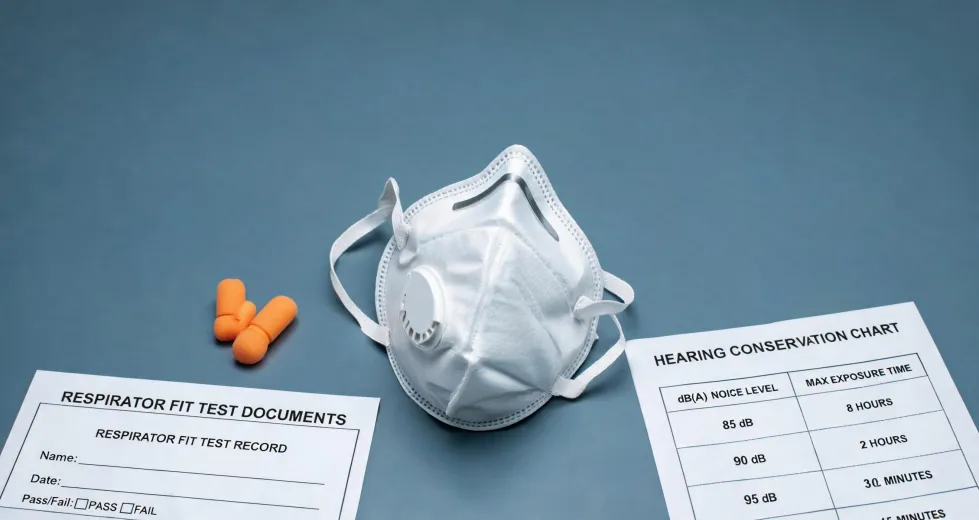
I approve or reject every PPE shipment that passes through our warehouse—roughly 1,100 units a month, around 200 unique SKUs per year. After four years in this role, I can say this directly: Moldex N95 small respirators pass incoming inspection at a 97.8% rate in our facility, and that consistency makes the brand easy to defend when procurement asks why we stock it. But approving a shipment is not the same as protecting a worker. The real quality risks—counterfeit units, skipped fit tests, assumed sizing—show up after the product leaves my dock.
Honestly, the biggest quality problem in the respirator market isn't Moldex. It's the unauthorized resellers who list "N95" masks with no traceable lot numbers, and the safety managers who think buying a premium brand means they can skip verification. They can't. Here's what I check, in the order that matters.
Who Does the Checking Around Here
I'm the Quality and Brand Compliance manager for an industrial safety distributor based in the Midwest. When a truck arrives from any manufacturer, my team verifies documentation, pulls physical samples, and audits lot traceability before anything reaches the sales floor. In Q1 2025, I rejected 3.1% of first deliveries across all vendors. Usual causes: paperwork gaps, damaged packaging, and once, a pallet stored in a humid warehouse long enough for moisture to compromise the filter media.
That last case is the one I tell vendors about. A moisture-compromised pallet led us to reject a lot of roughly 8,000 respirators. Replacing them cost the client a $14,000 expediting premium and a two-week startup delay. Nobody questions the quality protocol after hearing that story.
What I Inspect on Every Moldex Order
Three things, in order: traceability, certification, and physical condition.
Traceability first. Every Moldex order should carry lot numbers on the master carton and the individual boxes. Those numbers are the thread you pull when something goes wrong. If the vendor can't trace the lot back to Moldex, that's a red flag—actually, it's a deal-breaker. You're asking your workers to trust their lungs to this product. The trail should be intact.
Next, certification. Moldex N95 respirators are approved by NIOSH under 42 CFR Part 84, and each facepiece carries the TC approval number visibly stamped on it. I sample units from every lot and confirm the stamp is present and legible. The approved models are listed on the NIOSH Certified Equipment List, which is public and searchable at cdc.gov/niosh (accessed April 2025). If someone's selling you N95 masks without that stamp, they're selling something NIOSH never tested.
Finally, physical condition. I flex the shell, check the nose foam density, and test the straps. Moldex's Dura-Mesh shell is a feature I look for specifically because it holds its shape in heat and humidity. A respirator shell that caves in against the face creates leak paths, which defeats the point of wearing one.
It's tempting to think you can compare N95 models by unit price alone. It's also wrong. Identical-looking specs from different sellers can produce wildly different results: I've opened "factory sealed" boxes and found worn straps and compressed foam, while the same model from an authorized distributor arrived flawless. The difference was storage and handling, not the manufacturing line. You don't see that on a comparison sheet.
The Small-Size Problem Most Teams Ignore
The moldex n95 small respirator is a standard item in our inventory, and it matters more than most safety managers realize. During a fit-testing day at a 300-person plant in March 2025, we found that 31% of workers passed with a small-profile respirator even though only 12% had been requesting one. The rest had been wearing standard-size masks and putting up with leaks or pressure marks they assumed were normal.
The most frustrating part of this: respirator sizing gets treated like a hat size when it's actually a seal problem. You'd think the OSHA fit-testing requirement, enforced under 29 CFR 1910.134 since 1998, would have settled this by now. But I still walk into facilities where the fit test is "scheduled for next quarter" for the third quarter in a row.
A small N95 fits a narrower face profile, sure. But "small" doesn't mean universal. Nose bridge height, cheek contours, jaw width—they all affect the seal, and you can't reliably predict them from a worker's height, weight, or gender. I've seen petite women who seal best in a medium and six-foot men who end up in a small. Fit testing is the only honest way to assign a respirator, regardless of brand.
Start With the Moldex Official Website
Before you issue an RFQ, spend twenty minutes on the moldex official website (moldex.com). It's the source of truth for current model numbers, updated spec sheets, and authorized distributors. I can't count how many times we've caught a procurement team working from a 2022 PDF catalog and trying to order a discontinued model. The website also shows current packaging design, which matters because counterfeiters rarely update their boxes to match.
Use the distributor lookup while you're there. When a vendor offers you a 30-40% discount on a name-brand respirator, that discount is often a warning sign. Counterfeit N95 respirators remain a documented problem; NIOSH has published public notices about fake masks carrying fraudulent approval markings, and that alert is still relevant. Buy through authorized channels and the traceability question mostly answers itself.
What a Bad Purchase Actually Costs
In Q1 2024, we received a batch of 2,000 respirators from a vendor who claimed the units were current Moldex product. The lot numbers didn't match anything Moldex could verify, and the embossed NIOSH markings were visibly off—shallow, uneven characters. We rejected the batch and sent it back at the vendor's expense. The client lost roughly ten days of schedule waiting for the replacement. That's the hidden cost of a bargain price: it isn't money you save, it's time you lose.
In that same year, we rejected a shipment where the vendor substituted a different series without asking. The masks were fine—actually pretty good—but they weren't what the purchase order specified. Our acceptance criteria were model-specific, so back it went. Now every contract I write includes the exact model number, the TC-approval reference, and lot documentation as contractual requirements, not suggestions.
Where My Advice Has Limits
An N95 respirator, Moldex or otherwise, is not the right tool for every exposure. If the exposure assessment calls for a higher level of protection—say, an elastomeric half-mask with P100 filters or a powered air-purifying respirator—the N95 line doesn't apply. The "95" means it filters at least 95% of test particles under NIOSH test conditions, not that it's suitable for every particulate hazard in every concentration. Check the exposure assessment before you choose the filter class.
Also, my inspection data comes from our own U.S. warehouse and our own sampling methods. If you're buying Moldex outside the U.S., verify that the specific models meet your country's certification requirements; CE marking, for instance, is a different standard from NIOSH approval. Product lines and prices change too, so double-check current specs against the official website rather than trusting an older article.
Finally, a respirator program is one layer inside a broader safety system. During a full facility audit, I also check fire extinguisher cabinets for access and inspection status, verify that walking paths are clear, and look at whether the physical layout has introduced new hazards. Safety is a system. Your respirator is just the piece closest to your lungs.
None of this means Moldex is perfect. I've caught torn straps and transit-damaged boxes from them, too. But when I called, the lot traceability checked out, and the replacement arrived without argument. That response is the difference between a good product and a trustworthy brand—and it's the reason I still approve their shipments far more often than I reject them.

Maeve Callahan
Maeve Callahan is a head-protection analyst covering Type I and Type II hard hats, climbing-style safety helmets, bump caps, chin straps, suspensions, liners, and face-shield carriers. She applies ANSI Z89.1, EN 397, and EN 12492 criteria while comparing impact attenuation, penetration resistance, lateral deformation, electrical class, retention strength, field of vision, mass, fit range, and temperature conditioning. Her guides help EHS teams, contractors, utilities, and buyers select helmet systems for overhead hazards, work at height, electrical exposure, accessory compatibility, and worker acceptance.