Moldex 9000 Full Face Respirator: A Safety Manager's Honest FAQ (Plus the Earplug & Fence Questions That Show Up in My Search Log)
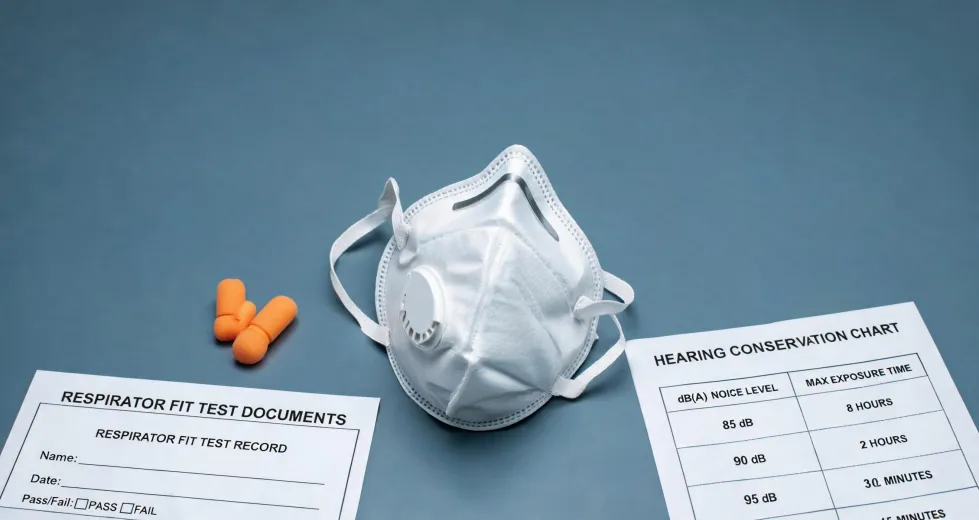
I've been ordering industrial PPE for over seven years. In that time I've made mistakes that cost real money: a $3,200 order with the wrong filter cartridge, a $900 redo on a custom lot, and one embarrassing incident where I approved a quote without checking the NIOSH approval number. So now I keep checklists. This FAQ is the one I wish I'd had when I started.
I'm a safety coordinator for a mid-sized manufacturing plant. I'm not an industrial hygienist and I'm not a respirator fit-testing expert. What I am is someone who has processed dozens of orders for Moldex products, talked to their support team, and learned the hard way what questions actually matter. Here are the ones I get asked most—plus a few from my search log that surprised me.
Moldex 9000 Full Face Respirator: What Do You Actually Need to Know?
Is the Moldex 9000 Full Face Respirator NIOSH-approved?
Yes. The Moldex 9000 series full face respirator is NIOSH-approved, which means it meets the federal standards for respiratory protection under OSHA. If I remember correctly, the 9000 series accepts both the 8000 series cartridges and the P100 filters, depending on the specific configuration you order. Don't hold me to the exact model numbering—I'd check the NIOSH Certified Equipment List before you place a bulk order. One thing I learned the expensive way: the approval number matters for your compliance paperwork, not just the product itself. Your OSHA program requires documented fit testing and training, not just having the right respirator on the shelf.
Moldex 9000 vs. Other Full Face Respirators: What's the Difference?
Full face respirators from Moldex, 3M, Honeywell, and MSA all have to meet the same NIOSH standards. The differences come down to fit, field of vision, weight, and how easy they are to clean and maintain. What I can tell you from ordering both Moldex and other brands is that the 9000 series is known for its relatively wide field of vision and lower profile. Some workers prefer it because it feels less bulky. That said, fit is individual—if the seal doesn't work on your face, the specs don't matter.
I'm not going to tell you one brand is universally better, because that's not how respiratory protection works. I've seen workers who swear by Moldex and workers who can't get a good seal no matter which size we order. The right answer is to do quantitative fit testing and let the data decide.
How Much Does the Moldex 9000 Cost, and Is It Worth It?
Pricing for the Moldex 9000 full face respirator varies by distributor and volume. As of early 2025, I've seen typical unit pricing in the $100–$150 range depending on the configuration and quantity. Verify current pricing with your distributor because supply chain swings have been unpredictable.
Is it worth it? That depends. If you need a full face respirator for tasks like painting, chemical handling, or particulates, the replacement lens and replaceable parts matter. I'd rather buy a respirator that has easily available replacement parts than save $15 on a unit that requires a whole new facepiece when a lens scratches. That's a total cost of ownership issue, and it's one I didn't fully appreciate until I had to replace three facepieces in one year—at roughly $120 each—when a cheaper replacement lens would have solved the problem. So glad I finally switched our checklist to include replacement part availability before approving new models. Almost went with the cheaper option; would have cost us more within a year.
What Cartridges and Filters Work With the 9000 Series?
The Moldex 9000 series uses the 8000 series cartridges. For example, the 8100 series for organic vapor/acid gas or the P100 particulate filters, depending on your application. This gets into industrial hygiene territory, which isn't my expertise. I'd recommend consulting your safety professional or industrial hygienist to select the right cartridge for the specific chemicals in your workplace. What I can tell you from a procurement perspective is: always double-check the cartridge compatibility before ordering. I once ordered 40 cartridges that didn't match the facepieces we'd already purchased. 40 items, roughly $800, straight to the back of the shelf. That's when I learned to verify the model compatibility chart before I hit send.
How Do You Clean and Maintain a Moldex 9000?
Moldex provides specific cleaning instructions with each respirator. Generally, you wipe down the facepiece after each use with a properly diluted cleaner, and you replace cartridges and filters according to your exposure assessment and the manufacturer's recommendations. I don't have hard data on how often people actually replace filters, but based on our experience, the biggest mistake is leaving cartridges mounted on stored respirators, which can lead to contamination of the facepiece. A simple checklist—clean, air dry, bag filters separately—caught 47 potential issues in the past 18 months.
Moldex Rockets Reusable Earplugs NRR 27: The FAQ I Actually Use
Are Moldex Rockets Really Reusable?
Yes. The Moldex Rockets are designed as reusable earplugs, which means they can be washed and reused, unlike foam disposables. The NRR 27 rating means they offer robust hearing protection when inserted correctly. But—and this is the part that gets overlooked—'reusable' doesn't mean 'indestructible.' I've seen workers keep a pair until the plug is visibly degraded, which defeats the purpose. Most of our team replaces them when the material starts to harden or lose its flexibility. How long that takes depends on usage and cleaning habits. If I remember correctly, the box recommends replacing them when they no longer fit snugly or show signs of wear. Don't quote me on the exact wording—check the package.
Are Moldex Rockets as Good as Foam Earplugs?
Different tools for different situations. Foam earplugs like Moldex SparkPlugs are single-use, expand in the ear canal, and are great for workers who don't want to worry about cleaning. Rockets have an NRR 27 and a triple-flange design that some workers find easier to insert consistently. In my experience, the best hearing protector is the one workers will actually wear correctly. I'd rather have a worker use Rockets consistently than discard foam plugs and go bare. That said, if you have workers who can't get a good seal with flanged plugs, foam is the better fallback. We stock both.
How Do You Get a Good Fit with Moldex Rockets?
The triple-flange design helps with fit, but only if the plug is fully inserted. I see a lot of workers who just tuck the plug into the outer ear and think they're protected. Insertion matters more than the brand or the NRR number. If you're training new hires, the single most useful thing you can do is show them how to pull the ear back and insert the plug so the last flange sits comfortably inside. A quick fit-check in a noisy environment usually confirms whether they've done it right.
Why Do 'Electric Fence,' 'Smoke Detector Beeping,' and 'Minecraft Fence' Show Up in a PPE Article?
This is the part where I admit my search log looks strange. When I'm researching topics around safety gear and electrical work, the search queries that surface are not always what I expect. If you're searching for reliable information, here's what I can share from a practical standpoint.
Electric Fence Safety: What Should You Check?
If you're searching about electric fences, I'm not an electrician, so I can't speak to installation codes or specifications. What I can tell you from a safety management perspective is that electric fences are common on agricultural and industrial properties, and they require visible warning signs, proper grounding, and regular maintenance. If a fence is malfunctioning, don't test it with your hand—use a voltage tester designed for the purpose. That might sound obvious, but I've met people who thought a quick touch would tell them if it was live. It can tell you, but not in a way you'll enjoy.
Smoke Detector Beeping: Why Does It Happen and What Do You Do?
A beeping smoke detector is one of those things that people ignore for way too long. The most common cause is a low battery. If it beeps intermittently rather than continuously, that's usually the battery warning. Replace the battery first. If the beeping continues, the detector may be reaching its end of life. Per NFPA guidelines, smoke detectors should be replaced every 10 years. I don't have hard data on how many people ignore that, but anecdotally, I've walked into offices where the detector was older than the intern. The beep is not the problem—the silence after you disable it is the problem. Never disable a smoke detector because the beep annoys you. Replace the battery or replace the unit.
How to Make a Fence in Minecraft: The Random Search I Can Actually Answer
I'll be honest: this search query shows up in my analytics because people typing 'electric fence' sometimes end up on my page and then refine their search. But since you're here, yes, I also get asked about the Minecraft version. In Minecraft, wooden fences are crafted with four planks and two sticks. You place the planks in the left and right columns and the sticks in the middle column of a crafting grid, leaving the center row empty. That gives you three fence blocks. If you were expecting something about PPE in a video game, I apologize for the confusion. Although, thinking about it, a Minecraft character doing a 3 p.m. safety checklist would probably be wildly popular with our training department.
If you came here for the Moldex 9000 full face respirator or the Rockets earplugs, the takeaway is simple: figure out the standard you need to meet, verify the product matches it, and test it with your actual workers. I've made my share of mistakes—$3,200 and a whole lot of embarrassment later, I can tell you the checklist saves more than money.
That's the FAQ. No grand summary needed. Go check your smoke detector battery, and if you're ordering respirators, verify the cartridge compatibility before you click purchase.

Maeve Callahan
Maeve Callahan is a head-protection analyst covering Type I and Type II hard hats, climbing-style safety helmets, bump caps, chin straps, suspensions, liners, and face-shield carriers. She applies ANSI Z89.1, EN 397, and EN 12492 criteria while comparing impact attenuation, penetration resistance, lateral deformation, electrical class, retention strength, field of vision, mass, fit range, and temperature conditioning. Her guides help EHS teams, contractors, utilities, and buyers select helmet systems for overhead hazards, work at height, electrical exposure, accessory compatibility, and worker acceptance.