Moldex 2200 N95 Respirator or 7000 Series Half Mask Respirator? How a Buyer Decides
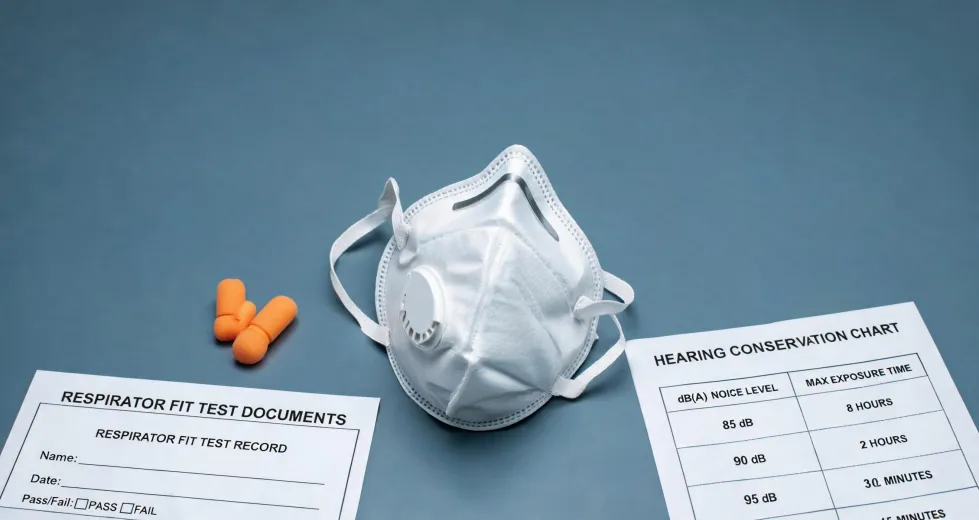
If you've ever sat down with two product pages open side by side—the Moldex 2200 N95 respirator and the Moldex 7000 series half mask—trying to decide which one to order, I've been exactly where you are. The first thing I'll tell you: there's no universal right answer. Anyone who claims otherwise hasn't run the numbers for different situations.
I've been managing purchasing for a manufacturing company of about 300 employees across two sites since 2021. Safety supplies are one of my recurring categories—roughly $80,000 a year spread across 12 vendors. I report to both operations and finance, which means I hear complaints from the shop floor and questions from the CFO. Both perspectives matter when you're choosing respiratory protection.
Three Scenarios, Three Different Answers
After years of ordering these products, I've found that most companies fall into one of three situations. Each one points to a different product.
Scenario 1: Occasional Use — Go With the 2200 N95
Your people need respiratory protection for a couple of hours a day, a few times a week. Light grinding, occasional spray work, or dust exposure during maintenance. For that, the Moldex 2200 N95 respirator is the smart purchase. It's disposable, so there's no decontamination routine, no filter inventory, no spare parts to track. Hand one out, it gets used, it gets tossed.
Practical notes from ordering these by the case:
- Buy the 20-per-box case quantity instead of a few boxes at a time. The per-unit price drops noticeably, and you won't be caught short when someone's mask gets contaminated mid-shift.
- The 2200's molded cup shape holds up better in humid conditions than flat-fold masks. Workers sweat, flat folds collapse, and suddenly masks stay in lockers. The molded shape avoids that.
- Store them somewhere clean and dry. A case of masks sitting in a damp warehouse cabinet is wasted money.
Pricing typically lands around $2.50–$4 per mask depending on volume and distributor. Verify current quotes—prices shifted around in 2024–2025. Major industrial suppliers like Grainger and Fastenal stock them, so you don't need to hunt through obscure resellers.
Scenario 2: Daily Wear — The 7000 Series Half Mask Wins on Cost
This one surprises most buyers, so stick with me.
If your workers wear respiratory protection every day—painting, chemical mixing, media blasting, warehouse dust—the Moldex 7000 series half mask respirator is dramatically cheaper than buying N95 disposables. Not a little cheaper. Thousands of dollars cheaper.
Here's the math I run for our finance team. Say you have 25 workers who need respiratory protection daily:
Disposable route: 25 workers × one 2200 N95 per day at $3 each × 5 days a week × 50 working weeks = roughly $18,750 a year. Every year.
Half mask route: 25 mask bodies at about $18–$22 each (one-time cost) = about $500. P100 filter pairs at about $10–$12, replaced twice a month = about $6,000 a year. First year total: roughly $6,500. Every year after: about $6,000.
That's a $12,000-plus annual difference. Granted, the half mask route adds costs the disposable route doesn't have—fit testing, training on cleaning and storage—but even adding a full training day for the crew, you're still way ahead by the end of year one.
The reason this catches people off guard is that the upfront price of a half mask looks scary next to a $3 disposable. You see $20 for a mask body plus $12 for filters and think it's more expensive. But the disposable is a one-time use. The half mask is a one-time purchase that lasts years if you take care of it. The math flips completely the moment you think about cost per wearing instead of cost per item.
Things I've learned ordering the 7000 series specifically:
- The silicone facepiece is comfortable against skin and doesn't have that rubbery smell that turns people off. We had zero odor complaints.
- The low-profile design sits below the glasses line, so it doesn't interfere with safety eyewear. Small detail, but it matters when workers wear both all day.
- Filters use a standard bayonet mount. You're not locked into a proprietary cartridge system, which makes restocking simpler.
One caveat: if your work involves a lot of talking, half masks take some getting used to. Voice projection is different inside a mask, and workers who communicate all day might push back. We noticed this with our quality control team. For them, we kept a small stock of 2200 N95s for days when they're mostly doing inspections.
Don't skip fit testing. We bought the 7000 series in two sizes, booked two hours for training and fit checks for 25 people, and that session eliminated almost all of our "it doesn't seal" complaints. Worth every minute.
Scenario 3: "We Just Need to Be Compliant" — Be Honest With Yourself
Sometimes the purchase is about passing an audit or checking a box on a customer's supplier questionnaire, not about real daily use. I get it—that's business.
But here's a warning from someone who learned it the expensive way. In 2023, I found a great price from a new vendor, about 30% cheaper than our regular supplier for N95s. I ordered 500 units without verifying their paperwork. When the order arrived, all they could provide was a handwritten receipt. No valid invoice, no certification documentation. Finance rejected the expense, I ate about $1,800 from the department budget, and I had to scramble for a rush reorder from a real distributor.
The opposite failure is just as common. I've walked shop floors where a manager proudly showed me new half mask kits, only to find them still in their boxes in lockers months later. Nobody trained anyone on use or maintenance, so people defaulted to not wearing them. Compliance box checked. Actual protection: zero.
If you're genuinely low-use, buy the 2200 N95s, store them properly, and replace stock before expiration dates. Don't start a reusable respirator program you're not ready to support.
How to Tell Which Scenario You're In
Don't guess. Do this instead:
- Pull actual usage data. How many respirators or filters did your team consume in the last six months? Check inventory records, not policy documents.
- Ask supervisors what's really happening. A quick conversation tells you more than a spreadsheet about whether people actually wear the gear.
- Peek into a few lockers. If respirators are still in their packaging after months, your compliance program is theater and you need a different approach.
Also worth checking: how much wear time do you actually get per use? We found our workers would stretch a half mask filter to two months if nobody tracked it. That sounds great for cost, but it's terrible for protection. If your team does the same, set a filter replacement schedule and make someone responsible for enforcing it.
Team uses respirators less than an hour a day on average → 2200 N95. Daily use for hours, day after day → 7000 series with P100 filters and proper training. Rare emergency use only → N95 disposables, just rotate stock before expiry.
One Rule That Never Changes
Whatever you order, verify certification. According to NIOSH (cdc.gov/niosh), an N95 rating means the filter captures at least 95% of airborne particles. The Moldex 2200 series carries that approval, and the 7000 series with P100 filters carries NIOSH approval as well. But check the labels on the actual boxes when they arrive, not just the product page.
The best respirator is the one people will actually wear. It sounds like a cliché until you've spent $18,000 on gear nobody uses—then it becomes a budget lesson you don't forget. Run the numbers, talk to your people, and make the call that fits your real situation.

Jane Smith
I’m Jane Smith, a senior content writer with over 15 years of experience in the packaging and printing industry. I specialize in writing about the latest trends, technologies, and best practices in packaging design, sustainability, and printing techniques. My goal is to help businesses understand complex printing processes and design solutions that enhance both product packaging and brand visibility.